Does Fibromyalgia Cause Back Pain?
Discover why fibromyalgia may cause your back to ache or whether another health problem could be the culprit — and what you can do about it.
Fibromyalgia — a disorder that causes widespread chronic pain and tenderness — affects 2 to 4 percent of women and men in the United States (women ages 20 to 50 are the most affected) and impacts patients in many different ways.
Thus, fibromylagia remains mysterious, and questions still linger — like why are more women affected by fibromyalgia than men? And why is fibromyalgia so hard to diagnose and treat? Why do some patients with fibromyalgia have more back pain than others?
“What causes fibromyalgia has puzzled many scientists for a long time,” says Elena Schiopu, MD, a rheumatologist and internist at Michigan Medicine in Ann Arbor. While the exact cause of fibromyalgia isn’t certain, doctors do know that the disorder can be triggered by an injury, surgery, infection, psychological trauma (like an extremely stressful period), or even just from an accumulation of symptoms that leads to the eventual classification of fibromyalgia.
The reason for the heightened pain? Fibromyalgia may affect the way your brain interprets pain signals. “Fibromyalgia is basically a miscommunication between the central, peripheral, and autonomic [vegetative] nervous system, which results in abnormal or amplified sensations,” says Dr. Schiopu. This is known as central pain sensitization. It causes your nervous system to become “wound up” and in a constant state of hyperactivity, which creates a lower threshold for experiencing pain.
When you poke someone without fibromyalgia, for example, it might be no big deal, but for someone with fibro, that same level of touch can cause significant pain or discomfort.Common Fibromyalgia Symptoms Aside from Pain
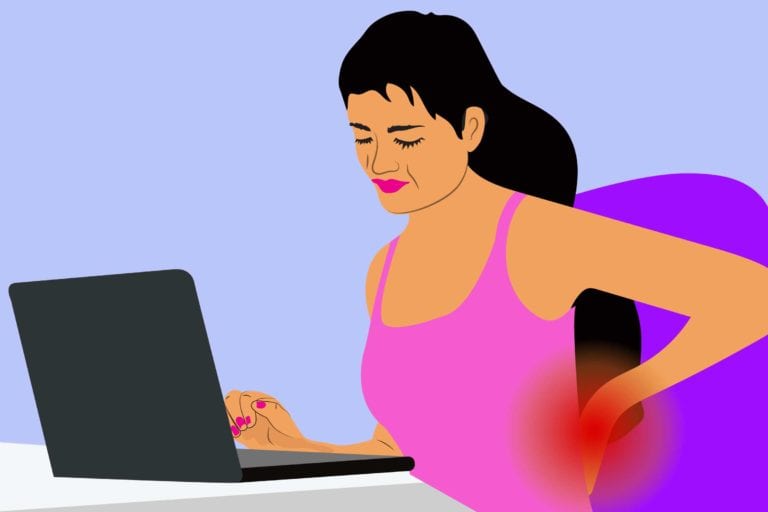
While you may experience back pain if you have fibromyalgia, if you’re experiencing back pain alone, and not other fibromyalgia symptoms, then your pain is likely not due to fibromyalgia, says Dr. Schiopu.
Sleep problems
In addition to pain, sleep problems are a big part of patients’ experience with fibromyalgia.
Even if fibro patients sleep for hours, they still may wake up feeling unrefreshed. That could be due to pain waking people up at night, or they may experience other sleep issues, like restless leg syndrome or sleep apnea. This troubled sleep, in turn, can contribute to debilitating daytime fatigue.
Fibro fog
Many patients with fibromyalgia complain of fibro fog, in which people feel like they can’t concentrate, hold conversations, or even remember certain things, like plans or where they placed objects. One reason for the fibro fog could be lack of sleep. Another explanation is that there is potentially something happening in the brain that’s unique to people with fibromyalgia.
Co-existing health problems
Fibromyalgia often co-exists with other ailments, like irritable bowel syndrome, migraine, interstitial cystitis (a painful bladder syndrome), and TMJ (a jaw disorder). “That’s all followed by a slew of hypersensitivity to cold, light, noises, smells,” adds Dr. Schiopu. Thus, it can seem like fibromyalgia patients have a laundry list of health woes, which can be incredibly frustrating.
How Back Pain in Fibromyalgia Is Treated
If you have fibromyalgia, and are experiencing back pain as a symptom, then you’ll want to come up with a treatment game plan with your doctor. “Gentle stretching, warm pool exercises, and even a supportive belt would help,” says Dr. Schiopu. “Daily strengthening of the lumbar musculature [muscles in the lower back] is key as well,” she adds.
Fibromyalgia medications may help relieve back pain. Some antidepressant drugs are prescribed to help ease pain and fatigue; these include duloxetine (Cymbalta) and milnacipran (Savella). Anti-seizure medications can also help manage pain in fibromyalgia. Among these, the FDA has specifically approved pregabalin (Lyrica) for the treatment of fibro.
If you have back pain — especially back pain that’s lasting more than three months and doesn’t improve with your current treatment — it’s important to talk to your doctor about your symptoms and medical history. Your back pain could be due to fibromyalgia, but it could also stem from various other health issues.
“If your back pain continues despite medical therapy and despite physical therapy, patients should then consider seeing a rheumatologist or a pain management specialist,” says Dr. Sammut.