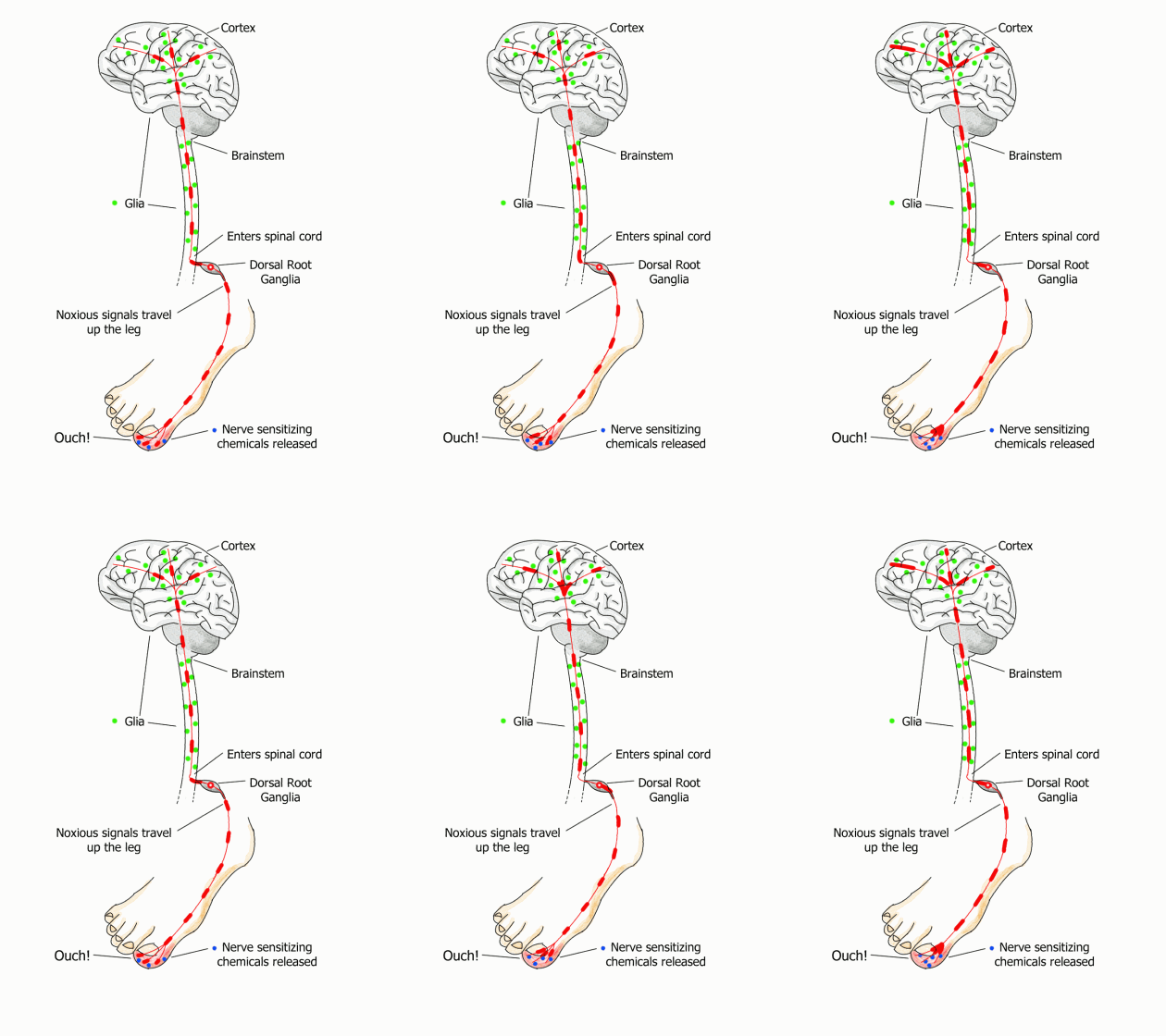
CBT and Mindfulness-Based Therapies for Fibromyalgia
Targeting the various symptoms of fibromyalgia requires a multifaceted approach that is personalized to each patient. Accumulating research supports the benefits of psychological approaches, including cognitive behavioral therapy (CBT) and mindfulness-based interventions (MBIs), for managing fibromyalgia symptoms.
Key Treatment Strategies
In a set of evidence-based consensus recommendations on nonpharmacological interventions for fibromyalgia, a group of experts from multiple countries and disciplines supported CBT as a core treatment — as well as aerobic exercise, education, and sleep hygiene — for all fibromyalgia symptoms. Mindfulness-based interventions were deemed a core treatment for depression and an adjunctive approach for pain, fatigue, and sleep in fibromyalgia.1
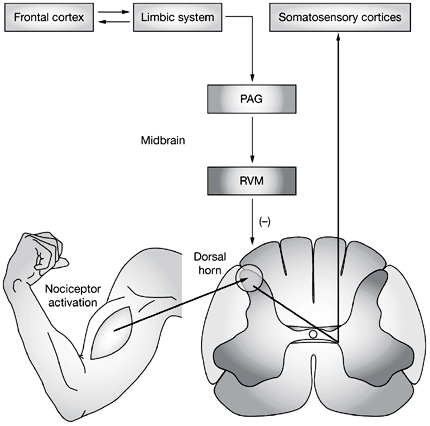
“Cognitive behavioral therapy and mindfulness-based interventions are fundamental strategies that help patients improve their resilience and coping in the face of ongoing symptoms,” said Leslie J Crofford, MD, Wilson Family Chair in Medicine, professor of medicine and pathology, microbiology, and immunology, and chief of the division of rheumatology and immunology at Vanderbilt University Medical Center in Nashville, Tennessee. “Cognitive behavioral therapy focuses on the cognitive control over how an individual interprets, responds, and behaves in the face of fibromyalgia symptoms such as pain, fatigue, sleep disturbance, and anxiety and depression, while mindfulness strategies are intended to improve the functioning of the brain networks that link fear, mood, and stress responses.”
These approaches have been linked to improvements in fibromyalgia symptom severity and reductions in Research has shown that pain catastrophizing — defined as a pattern of cognitive and emotional processes such as rumination about pain and thoughts about helplessness — may amplify the severity of chronic pain,5 and is associated with increased symptom severity, greater pain sensitivity, and reduced functioning among patients with fibromyalgia.2,3
“Evidence shows that there is a close relationship between pain catastrophizing thoughts and emotions related to the pain experience,” said Asimina Lazaridou, PhD, pain psychologist, instructor in the department of anesthesia at Brigham and Women’s Hospital and Harvard Medical School, and core faculty member in the clinical psychology program at Fielding Graduate University in Boston, Massachusetts.4
In recent years, a range of studies have explored the effects of CBT and MBIs on symptoms and pain catastrophizing among individuals with fibromyalgia.
CBT Research
Cognitive behavioral therapy is a first-line treatment for fibromyalgia, based on data demonstrating its efficacy and tolerability among this patient population.6 “CBT is grounded in the idea that changing thoughts and behaviors can lead to improvements in mood and functioning,” Dr Lazaridou explained. “By targeting dysfunctional cognitive and behavioral patterns, CBT helps individuals develop more adaptive ways of thinking and responding to pain, thus reducing the impact of negative thinking patterns and enhancing coping strategies.”
In a randomized controlled trial (RCT) published i in the Journal of Pain, Dr Lazaridou and colleagues found a significant reduction in pain interference among women with fibromyalgia who were assigned to an 8-week CBT intervention (n=64) compared with those assigned to an education control group (n=34). The between-group difference was mediated by a reduction in pain catastrophizing. In addition, brain functional magnetic resonance imaging revealed that CBT was associated with a “change in the neural circuitry contributing to pain and catastrophizing in women with fibromyalgia,” the study authors wrote.7,5
Another RCT (N=274) by Hedman-Lagerlöf et al found that online CBT interventions delivered over 10 weeks led to significant mean reductions (by up to 11 points) in fibromyalgia severity, as indicated by scores on the Fibromyalgia Impact Questionnaire (FIQ). Study findings also showed minimal clinically important improvement (defined as a 14% change in FIQ scores from baseline) among approximately 60% of patients, with sustained effects noted for up to 12 months following treatment.8
Similarly, results of a phase 2 pilot study (N=67) by Catella et al demonstrated clinically meaningful reductions in the impact of fibromyalgia among patients assigned to a self-guided, smartphone-based program that delivered acceptance and commitment therapy — a more contemporary form of CBT — compared with those assigned to digital symptom tracking.6
Among the wide array of other research in this area, results of a RCT by Prados et al that included 39 women with fibromyalgia showed improvements in insomnia-related outcomes among those receiving CBT with a focus on pain and insomnia. Similarly, findings from a systematic review and meta-analysis of 29 RCTs by Bernardy et al supported the “efficacy and tolerability of CBTs in reducing key symptoms and disability in [fibromyalgia] in the short- and long-term if compared to waiting list, treatment as usual, attention controls and active non-pharmacological therapies.”9,10
Mindfulness Research
Although fewer studies have examined the impact of MBIs for managing fibromyalgia, the available research has shown various improvements among this patient population after participating in mindfulness-based treatments. “Mindfulness techniques, such as meditation and relaxation exercises, promote present-moment awareness and acceptance of discomfort, leading to improved pain management and overall well-being,” Dr Lazaridou said. “Through mindfulness practices, individuals develop the ability to observe their emotions without getting swept away by them, and this can lead to greater emotional resilience and a decreased likelihood of engaging in maladaptive coping strategies.”
Dr Crofford shared that she typically recommends mindfulness strategies, including deep breathing and meditative movement such as Tai Chi and yoga, to all of her patients with fibromyalgia.
In a review of 7 studies, Gordon et al found that MBIs were linked to improvements in sleep-related symptoms, depression, anxiety, perceived stress, and coping among patients with fibromyalgia.11
In a previous systematic review and meta-analysis by Haugmark et al that included 9 randomized and quasi-randomized trials, mindfulness- and acceptance-based interventions were associated with numerous small to moderate health effects compared with control conditions: sleep quality (standardized mean difference [SMD], -0.33), anxiety (SMD, -0.37), mindfulness (SMD, -0.40), pain (SMD, -0.46), depression (SMD, -0.49), and health-related quality of life (SMD, -0.74). However, the study authors reported heterogeneity between trials, as well as significant variation in the certainty of evidence across trials, highlighting the need for further research in this area.12
Results of an RCT (N=39) by Amutio et al found significant improvements in subjective insomnia, sleep quality, sleepiness, and sleep impairment among individuals with fibromyalgia who were assigned to a mindfulness-based meditation intervention vs those assigned to a waitlist control group; sustained effects were noted at the 3-month follow-up.13
Additionally, in their RCT that included 225 patients, Pérez-Aranda et al found that mindfulness-based stress reduction was superior to both treatment as usual and a psychoeducational intervention for reducing functional impairment among patients with fibromyalgia.14
Clinical Recommendations
Providers who care for patients with fibromyalgia should become comfortable with recommending CBT and MBIs to these individuals, Dr Crofford advised. She recommended developing a relationship with integrative health programs that offer such therapies.
Dr Crofford further suggested that providers familiarize themselves with online resources such as the University of Michigan’s Pain Guide, which offers self-care modules — including a relaxation module with exercises that include deep breathing, guided imagery, and mindfulness — and that they learn how to teach simple strategies of this type.
“There are also some online resources for CBT that address specific symptoms, such as pain and sleep, or help with activity pacing and stress management,” Dr Crofford added. Referral to formal psychological treatment may be indicated for patients with significant difficulties coping with their illness, she noted.
Due to the multifactorial nature of chronic pain, choosing the right treatment strategies to address fibromyalgia symptoms can be challenging, according to Dr Lazaridou. “CBT and mindfulness techniques play an important role in managing fibromyalgia symptoms by incorporating a holistic approach,” she said. “Together, these therapeutic approaches empower individuals with fibromyalgia to develop effective self-management skills, alleviate symptoms, and enhance their quality of life.”