Fibromyalgia Symptoms, Causes & Personalised Treatment
Fibromyalgia
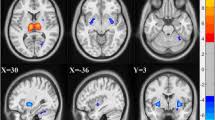
Fibromyalgia is a chronic, nonspecific somatic syndrome distinguished by increased tenderness in specific body points, fatigue, sleep disorders, and problems with memory. This condition changes how the brain interprets pain signals, improving the perception of the painful experience. Although its exact cause has not been identified, most scholars agree that it implicates hereditary, environmental, and psychological conditions.
Fibromyalgia, also known as fibromyalgia syndrome, is characterized by patients experiencing deep, bone-deep pain, usually from the muscles and connective tissues. This includes joint pain and stiffness, sensitivity to cold, heat, and pressure, and difficulty with memory and concentration, also known as ‘fibro fog’. The condition is more common in women and will markedly interfere with their activities.
How Fibromyalgia Occurs and Affects
Fibromyalgia may evolve from physical trauma, surgery, infection, or severe psychological stress. Occasionally, symptoms arise slowly and work their way up to a climax without the presence of any specific cause. It is a disease resulting from chronic pain management, whereby the nervous system becomes sensitive to pain stimuli.The condition impacts people’s physical and psychological well-being. Pain and fatigue are the two primary symptoms; other symptoms include difficulty sleeping, temper swings, and poor concentration. Fibromyalgia is misdiagnosed because the signs are not noticeable; the muscles do not show any signs of inflammation or injury.
Treating fibromyalgia involves several different disciplines and approaches. Fibromyalgia treatment entails the use of drugs, medication, therapy, and lifestyle changes to try to contain the symptoms.
Acupuncture, yoga, and meditation are some of the beneficial complementary therapies for fibromyalgia. A fibromyalgia patient must regularly do low-impact aerobics or stretching exercises. Fibromyalgia relief treatment has emerged as one approach to stress-free treatment, to improving sleep and muscle function.
Fibromyalgia Symptoms
Fibromyalgia affects the musculoskeletal system along with connective tissue and often results in muscle stiffness, especially in the neck, shoulders, and back. Some of the other common symptoms of fibromyalgia are:
- Chronic and widespread pain
- Pain that may feel like a burning pain or a deep ache
- Heightened pain response to applied pressure
- Postural Orthostatic Tachycardia Syndrome (POTS)
- Tender points, especially at the back of the neck and the shoulders
- Body aches and stiffness that get worse at night and improve over the course of the day
- Fatigue and sleep problems
- Numbness and/or tingling in the hands and feet
- Irritable bowel syndrome
- Temporomandibular disorders (TMD), also known as TMJ disorders
- Fibromyalgia is a long-term condition that can cause widespread pain, tiredness, sleep problems, and difficulty concentrating. It is sometimes misunderstood because routine medical tests may not show an obvious physical abnormality. Fibromyalgia can affect people differently, and symptoms may change over time.
- Common symptoms include widespread muscle and body pain, stiffness, fatigue, poor-quality sleep, headaches, sensitivity to touch, and “fibro fog,” which can make concentration and memory more difficult. Some people may also experience digestive problems, mood changes, dizziness, sensitivity to noise or light, or increased sensitivity to temperature.
- The exact cause of fibromyalgia is not fully understood. Researchers believe it may involve changes in the way the brain and nervous system process pain signals. Genetic factors, prolonged stress, physical or emotional trauma, infections, sleep disturbances, and other health conditions may contribute to its development in some people.
- Fibromyalgia is not simply ordinary muscle pain, and symptoms are not imaginary. The condition can have a significant effect on school, work, family life, sleep, physical activity, and emotional well-being. Diagnosis is usually based on a person’s symptoms, medical history, and physical examination rather than a single specific blood test. Doctors may perform tests to rule out other conditions that can cause similar symptoms.
- Treatment is usually personalised because there is no single treatment that works equally well for everyone. A healthcare professional may recommend a combination of gentle physical activity, regular sleep habits, stress-management techniques, psychological support when appropriate, and medicines for particular symptoms. Low-impact activities such as walking, stretching, swimming, or other suitable exercises may help some people gradually improve strength, mobility, sleep, and overall function.
- It is generally better to increase activity slowly rather than suddenly doing too much and becoming exhausted. Establishing a consistent sleep routine can also be helpful because poor sleep may worsen pain and fatigue. Relaxation techniques, mindfulness, breathing exercises, and other stress-management approaches may help some people cope with symptoms.
- Medicines may sometimes be prescribed to help with pain, sleep, or other symptoms, but they should be selected and monitored by a qualified healthcare professional. Because fibromyalgia can overlap with other conditions, treatment should be based on the individual rather than on a standard plan. Keeping a symptom diary can help identify patterns involving sleep, activity, stress, weather, or other factors. It is also important to communicate openly with healthcare professionals about which symptoms are most troublesome and how they affect daily life. Support from family and friends can make living with a chronic condition easier.
- Fibromyalgia may not have a simple cure, but many people can learn strategies that reduce symptoms and improve their quality of life. A personalised treatment plan should therefore focus not only on pain but also on sleep, fatigue, physical function, concentration, emotional well-being, and the person’s individual goals. With appropriate medical guidance, patience, and gradual lifestyle adjustments, people with fibromyalgia can work toward better symptom management and a more manageable daily life.