Fibromyalgia Linked to Hand Diseases
In this study, fibromyalgia was associated with a significantly increased prevalence of hand diseases and related surgical interventions, supporting the importance of early screening in this patient population.
“Many fibromyalgia patients report upper limb discomfort or functional impairment, yet these
symptoms are often underdiagnosed or attributed solely to the primary disorder,” wrote first author Eli Magen, MD, Leumit Health Services, R&D Unit, Tel Aviv-Yafo, Israel, and Medicine A Department, Assuta Ashdod University Medical Center, Ben Gurion University of the Negev, Beer Sheva, Israel. “This study was designed to address this gap by examining whether fibromyalgia is associated with a higher prevalence of hand diseases, and to what extent fibromyalgia influences healthcare utilization and surgical intervention related to hand pathology.”
The report, entitled “Fibromyalgia and hand diseases: a case-control study,” was published online ahead of print in the Journal of Hand Therapy.
Study population
The retrospective research included data from adults aged 18-90 years, collected from the centralized electronic health records of Leumit Health Services from January 2002 through March 2024.
ICD-9 code 729.1 was used to identify 9232 patients with fibromyalgia, and they were matched 5:1 with 46,160 controls, based on sex, 10-year age group intervals, and year of enrollment in the health system. Cases and controls had a mean age of 47.6 years and 86.8% were women. Patients with fibromyalgia had significantly higher body mass index (BMI), smoking rates, and prevalence of diabetes:
- BMI: 28.5 vs 27.6, P < .001
- Smoking rate: 21.4% vs 17.0%, P < .001
- Prevalence of diabetes: 11.1% vs 8.9%, P < .001
Findings
Hand diseases were significantly more prevalent among patients with fibromyalgia compared with controls:
- Carpal tunnel syndrome (CTS): OR, 2.98; P <.001
- Trigger finger: OR, 1.77; P <.001
- De Quervain’s tenosynovitis: OR, 1.96; P <.001
- Tendinitis: OR, 2.16; P <.001
- Hand osteoarthritis: OR, 2.99; P <.001
They also had increased healthcare utilization compared with controls:
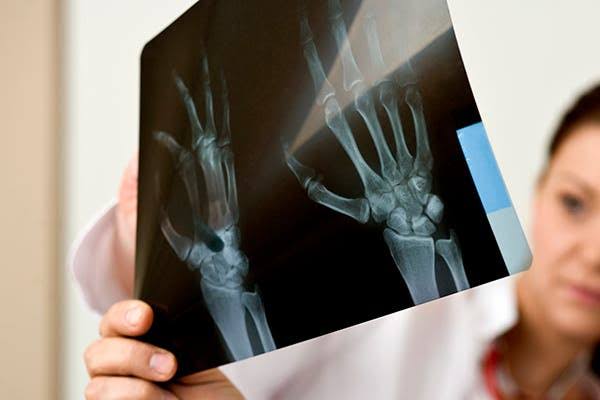
- Hand radiographs: OR, 2.38; P <.001
- Hand surgeon visits: OR, 2.18; P <.001
- Carpal tunnel release: OR, 2.57; P <.001
- Trigger finger repair: OR, 2.98; P <.001
Moving forward with this information
The authors demonstrated an association between fibromyalgia and increased rates of hand diseases compared with matched controls. Their findings support a substantial burden of hand pathology among individuals with fibromyalgia that is greater than expected in the general population.
“Specifically, fibromyalgia was associated with a nearly threefold increased odds of CTS, alongside elevated risks for De Quervain’s tenosynovitis, trigger finger, and other hand conditions,” the authors wrote. “Moreover, fibromyalgia patients exhibited higher rates of surgical interventions, such as carpal tunnel release and trigger finger repair, and increased utilization of hand-related healthcare services.”
Limitations of this study include the use of ICD-9 codes for diagnosis, retrospective design, and lack of data on disease severity, symptom duration, and medication use. The temporal relationship between the onset of fibromyalgia and development of hand disease also was not assessed.
The researchers noted that future studies should investigate biologic mechanisms involved in the co-occurrence of fibromyalgia and specific hand disorders. They also believe there would be value in examining the extent to which early targeted interventions for hand conditions may impact long-term function and quality of life among patients with fibromyalgia.
“This population-based study demonstrates that fibromyalgia is significantly associated with a higher prevalence of hand diseases and related surgical interventions,” the authors concluded. “These findings underscore the importance of early diagnosis, integrated management, and targeted treatment strategies to optimize outcomes for fibromyalgia patients.”