Fibromyalgia Trigger Points and Tender Points: How Thinking Has Evolved
Fibromyalgia is a condition that causes people to feel pain more strongly and in unexpected places. And that pain isn’t easy to put your finger on. It’s tough to definitively say, “It hurts here.” That’s because fibromyalgia causes widespread pain across your body — and the location can change from day to day.If I do a bunch of bicep curls today, I know that tomorrow, my bicep is going to be tender from inflammation,” says pain management physician Benjamin Abraham, MD. “Fibromyalgia pain is different because it’s not localized to your muscles, ligaments or fascia.”
At least, that’s how we understand fibromyalgia these days. But decades ago, the thinking was different. That era gave rise to the concept of specific trigger points and tender points in fibromyalgia.
What are fibromyalgia trigger points and tender points?
Fibromyalgia trigger points and tender points are largely interchangeable terms used to describe exact spots on your body that physicians once understood to be associated with fibromyalgia.
Doctors of the 1990s used a “tender point examination” as part of their diagnosis.
“At that time, a doctor would poke 18 very specific places of the body with enough force that their nail bed would blanch (turn white),” Dr. Abraham recounts. “If you had pain in at least 11 of these points, it would support a diagnosis of fibromyalgia.”Your second rib, just outside of where they connect to your breastbone
The inside of your knees, just above the joint
Two centimeters below the bony bumps on the outside of your elbows
If you were diagnosed with fibromyalgia, these areas of tenderness often became targets for treatments like trigger point injections.“It was believed that these tender spots hurt because the muscle itself was squeezing and causing a lack of blood flow,” Dr. Abraham explains. “So, the idea was that people could get relief with injections of numbing medicines or steroids.”
Why diagnosis has changed
Our understanding of fibromyalgia has evolved since those criteria were widely accepted. Dr. Abraham explains a few reasons the tender point examination didn’t stand the test of time. Among them:
The test wasn’t very specific. “It was pretty nebulous as far as the pressure you’re using is concerned,” notes Dr. Abraham. “Does my finger blanch at the same force as yours? There’s too much variability there.”
- Pain isn’t always in the exact same spot. The more researchers have learned about fibromyalgia, the more it’s become apparent that areas of pain can change. The pain you experience during an exam on Monday may be very different on Tuesday.
- Treating trigger points doesn’t fix the root issue. “Treatments like trigger point injections may help at times, but it’s like painting over a watermark on your ceiling when you have a leak,” Dr. Abraham illustrates. “You’re only addressing the surface issue.”
-
How do we diagnose and manage it these days?
Today, a fibromyalgia diagnosis doesn’t rely on trigger points and tender points alone.
These standards consider whether a person has widespread pain that lasts longer than three months and isn’t explained by another condition.
“We’re not looking for highly specific points on the body anymore,” Dr. Abraham says. “We’re looking at pain spread out among different areas of your body.”For example, rather than considering whether your knee or shoulder hurts at an exact location, your provider will ask about pain in your lower leg, upper arm and other areas of your body.
Other symptoms typical of fibromyalgia are weighed, too, like:
Fatigue and sleep problems
Digestive troubles
Mood symptoms
Blood pressure dips when changing position
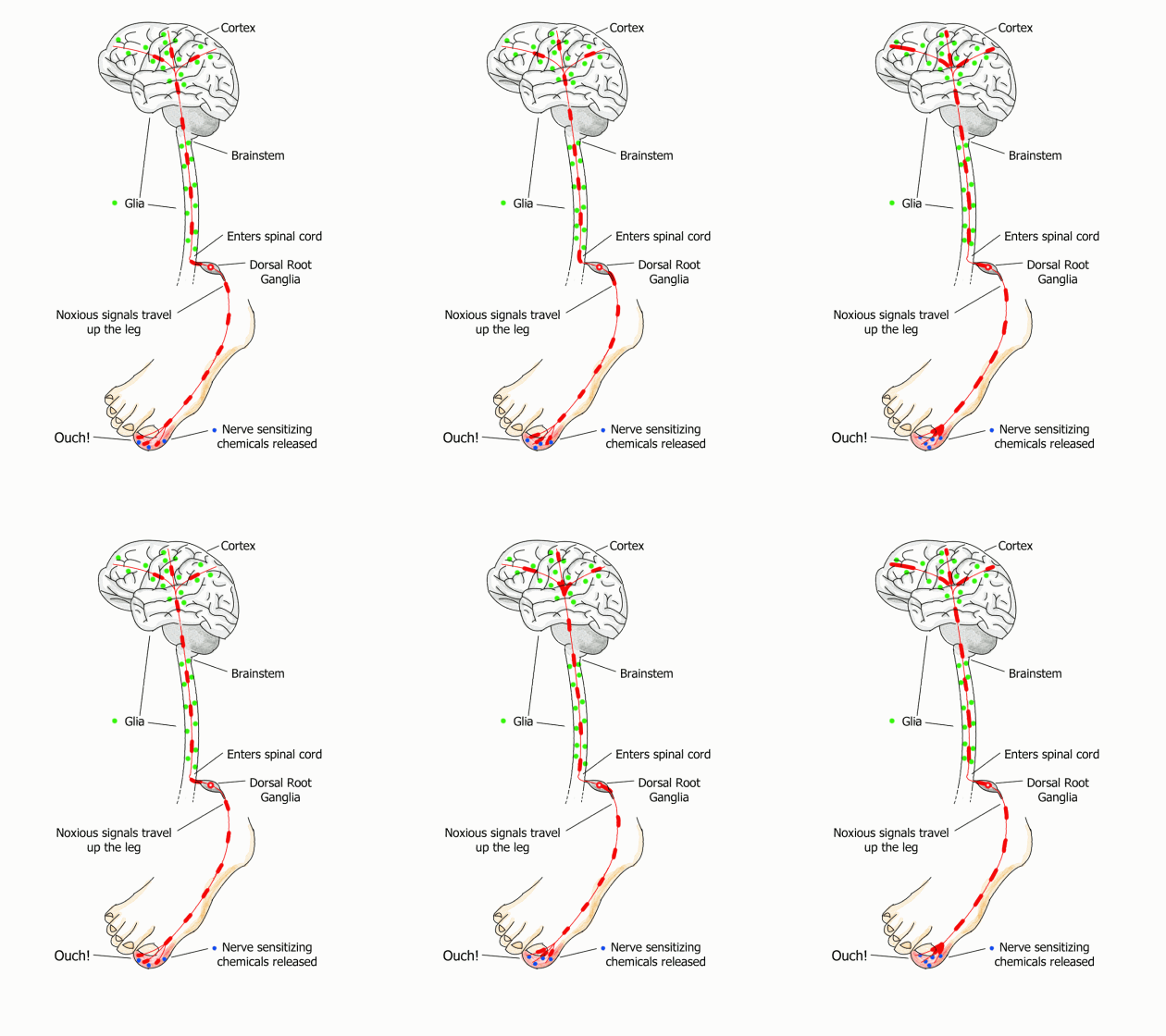
And fibromyalgia is no longer thought to be a condition stemming from a particular inflamed muscle or joint.What we think is happening is that fibromyalgia is a disorder of pain processing, and the tender points are the manifestation of that,” Dr. Abraham explains. “The underlying problem really involves a pain processing issue at the central nervous system level.”With this understanding, trigger point injections are becoming less common, too. Instead, healthcare providers typically recommend:
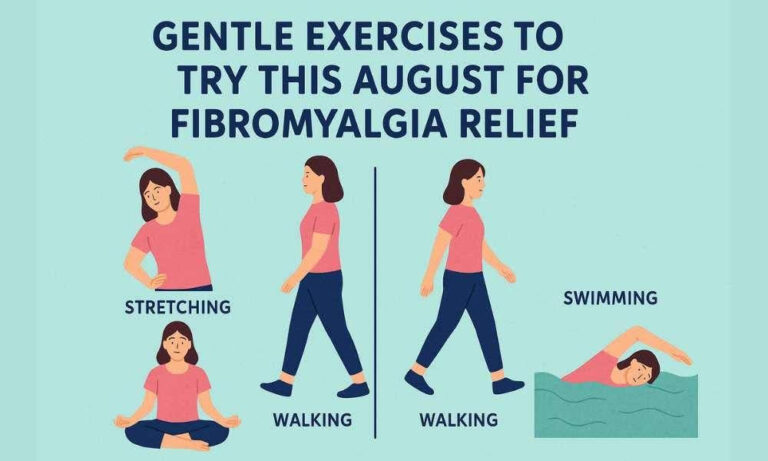
- Very gradual introduction to special types of exercise and physical therapy
- Strategies to lower stress and improve sleep
- Cognitive behavioral therapy (CBT)
- Complementary therapies, like acupuncture, massage and myofascial release therapy
- Medications that affect nervous system pain processing
- Keeping up with a primary care practitioner and specialists (as needed) to manage your overall health and well-being
- Our understanding of fibromyalgia has changed with time. And now we know that focusing only on specific tender points … well, misses the point.