For fibromyalgia, gentle and enjoyable exercise works better than pushing through pain
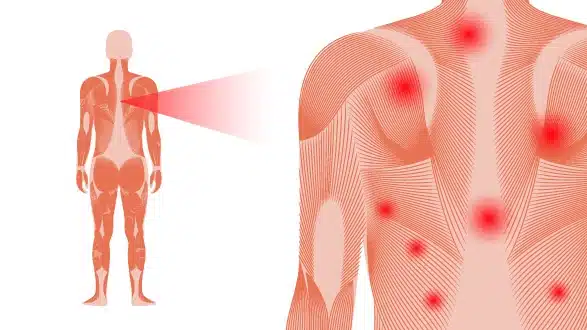
A tailored, low-intensity exercise program provides evidence of lasting relief and improved quality of life for people with fibromyalgia. Brain scans indicate that these benefits are linked to changes in the cerebellum, a brain region involved in movement and pain processing. Fibromyalgia is a chronic disorder characterized by widespread pain, fatigue, poor sleep, and a nervous system that is overly sensitive to physical sensations. It often severely impacts a person’s daily life and functional independence. Adapted physical activity involves physical exercises customized to an individual’s specific capabilities, needs, and health limitations.
Despite exercise being a recommended treatment, many patients with fibromyalgia remain sedentary because typical workouts tend to trigger symptom flare-ups. Standard exercise guidelines can be vague, leaving patients unsure of how often, how long, or how intensely they should be active.
“In my clinical practice, I was struck by how difficult it was for many patients, especially with fibromyalgia, to become physically active, even when they knew that physical activity could be beneficial,” Ranque-Garnier noted. “I realized that simply telling patients to ‘exercise more’ was not only insufficient, but could even be counterproductive.”
For the current study, the authors wanted to see if a highly structured, supervised, and well-tolerated exercise routine could bring sustained relief. They also sought to understand the brain mechanisms involved by using neuroimaging.
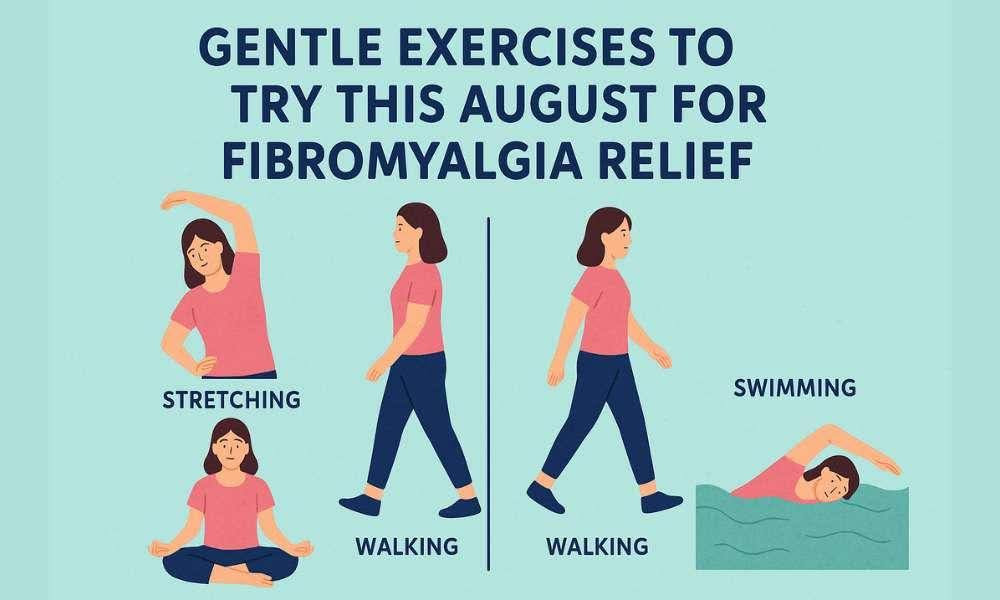
The exercise intervention lasted for six months and consisted of three two-hour sessions per week. These sessions included a mix of pool and land-based activities kept at a very low intensity. The exercises were broken up into small bursts based on each person’s tolerance limits to avoid exacerbating their pain.
“The activity had to be adapted not only to their physical capacity and symptoms, but also, and importantly, to their tastes,” Ranque-Garnier said. “Motivation cannot come from cycling like a laboratory rat, especially if you do not like cycling!”
The research team used questionnaires to measure the patients’ quality of life, pain levels, sleep quality, and fatigue. They also used pedometers to track daily steps and conducted aerobic fitness tests. A subset of 33 patients underwent positron emission tomography, or PET, scans to track changes in brain metabolism.The findings showed that quality of life improved for the exercise group. At the six-month mark, the exercise group showed a 14.5 percent better score on a standardized fibromyalgia impact questionnaire compared to the standard care group. Patients in the exercise program reported less average pain, better sleep, and greater flexibility. They also reported immediate symptom relief after individual sessions.
The team carefully monitored this immediate impact. “Our simplest tool for knowing whether a session was appropriate was the patient’s own evaluation before and after the session,” Ranque-Garnier explained. “The session should leave the patient at least as well as, and ideally better than, before — in terms of pain, mood, fatigue, and concentration.”
The exercise group also became more active outside the program. At three months, they added an average of 1,619 daily steps to their baseline of about 4,185 steps, while the standard care group experienced a slight decrease in their daily steps.These physical and emotional benefits occurred even though the patients did not show improvements in maximum aerobic capacity. This suggests that people with fibromyalgia do not need to endure high-intensity, exhaustion-inducing workouts to experience real health benefits.
“The main message is that physical activity is a major therapeutic approach in fibromyalgia, but more is not better,” Ranque-Garnier told PsyPost. “Quality of life and fibromyalgia symptoms improved even though we did not observe a major improvement in the shuttle walking test.”
In fact, focusing on performance can backfire. “Some patients in the control group became physically more active but experienced worsening symptoms and eventually abandoned their activity because they had pushed themselves too hard,” she noted. “We think that some had been motivated by the title of the study and applied the familiar ‘no pain, no gain’ principle.”
This led to a crucial realization for the research team. “In fibromyalgia, an activity that is physically possible is not necessarily an activity that is therapeutically appropriate,” Ranque-Garnier added.The brain scans indicated an increase in metabolism in the right cerebellum of the exercise group. The cerebellum is a structure located at the back of the brain that traditionally helps coordinate movement, but it also plays a role in regulating pain and emotion. This metabolic increase was directly correlated with the patients’ increased daily step counts.However, that previous research evaluated experimental pain tolerance in the general population rather than clinical pain reduction and quality of life in fibromyalgia patients following a structured exercise intervention.
As with all research, there are a few things to keep in mind. The patients in this study were recruited from a specialized pain center and had already participated in therapeutic education workshops. This specific background means they might have been more motivated and ready to adopt new habits than the average person with fibromyalgia.
“Our study does not mean that any form of exercise will improve fibromyalgia, nor that patients should simply push through their pain,” Ranque-Garnier cautioned. She emphasized that the intervention was closely supervised by professionals specifically trained to adapt exercises for chronic pain.
“The neuroimaging findings should also be considered as mechanistic clues rather than proof of causality,” Ranque-Garnier said. “We therefore cannot conclude that we have identified a single brain mechanism or a universal exercise prescription for fibromyalgia.”
Spontaneous physical activity in the control group could not be fully controlled, and wearing a pedometer might have influenced the behavior of the participants.
Looking ahead, the team hopes to identify predictive factors that lead to long-term remission in chronic pain. The ultimate goal is to help patients regain confidence in their bodies and become more active in their everyday lives.