Daily briefing: Fibromyalgia eases after doses of gut microbes
Hello Nature readers, would you like to get this Briefing in your inbox free every day? Sign up here.
Reproducibility tests find dismaying results
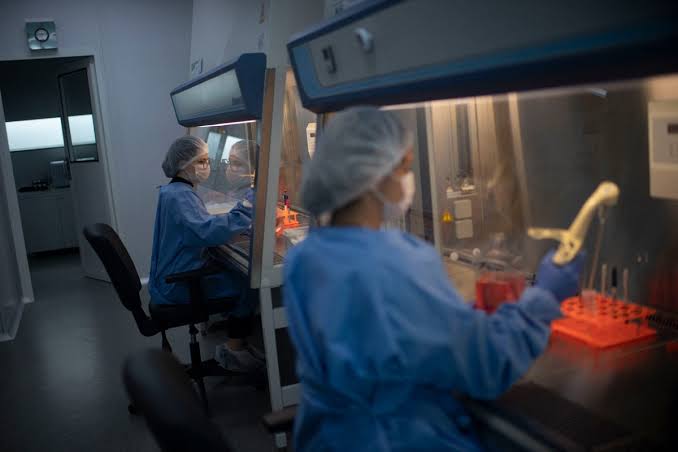
In an unprecedented effort, a coalition of more than 50 research teams has double-checked a swathe of Brazilian biomedical studies — and was able to replicate less than half. That rate is in keeping with that found by other large-scale attempts to reproduce scientific findings. But the latest work assessed publications “based on methods, rather than research area, perceived importance or citation counts”, says metascience researcher Mariana Boechat de Abreu, one of the project coordinators. “We now have the material to start making changes from within” to improve the status quo, says de Abreu.
Gut microbes might help ease fibromyalgia
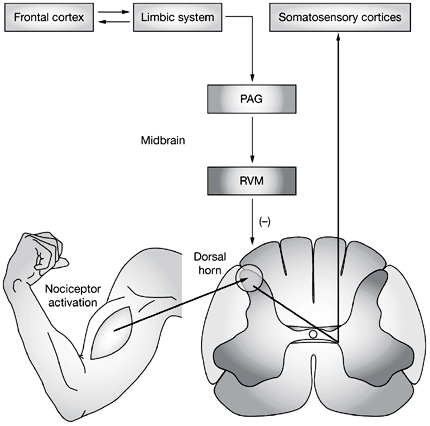
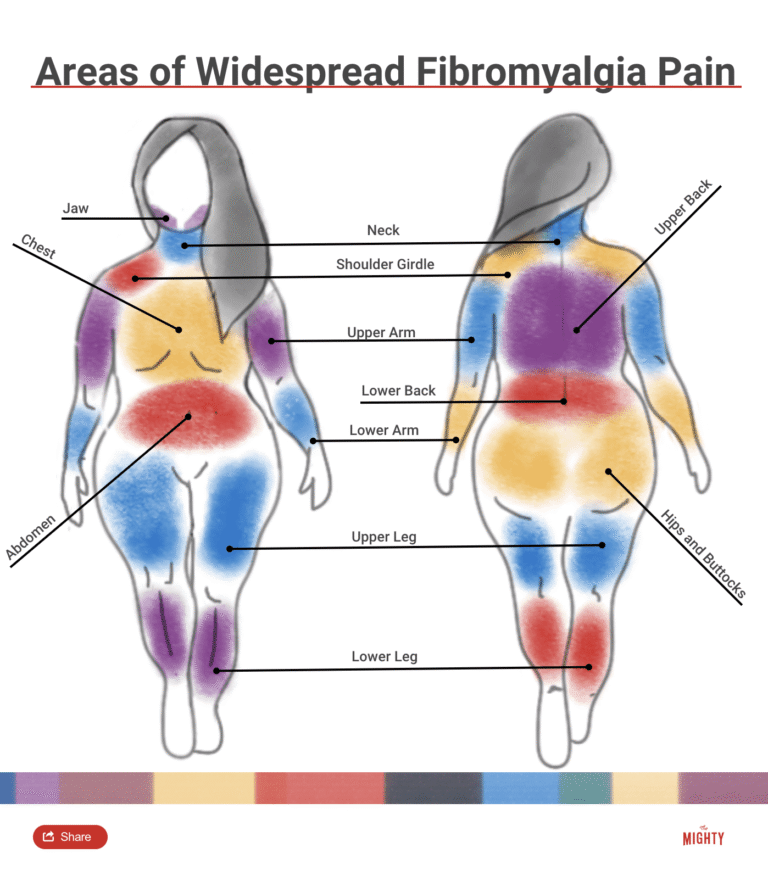
Results of a small trial hint that microbes associated with a healthy gut microbiome could ease the symptoms of fibromyalgia — a debilitating and poorly-understood chronic pain condition. Fourteen women with the condition received an experimental therapy containing gut bacteria from healthy women. All but two reported an improvement in their symptoms such as pain, anxiety and sleep disturbances. The trial is so small that “we should take the results with a grain of salt”, says co-organizer and pain scientist Amir Minerbi. “But it is encouraging
Features & opinion
How it feels to glimpse a new colour
By selectively activating certain retinal cells with lasers, scientists made five people perceive a never-before-seen blue-greenish hue called ‘olo’. In The Atlantic, the researchers share how it felt to see a new colour. “As a scientist, the experience was profound,” says optics researcher Austin Roorda. “How many people have named a colour?” notes computer scientist James Fong, who had that honour. But Fong still hasn’t seen ‘olo’ — the first author wasn’t one of the winners when the team drew lots for who would participate in the experiment; something he hopes to soon rectify. “I would be disappointed if I finished my PhD program without seeing the colour that I spent a good fraction of my time here studying.”
Facing a preventable HIV pandemic
“There are patients you can never forget,” writes physician Chris Beyrer. So starts a harrowing recollection of treating an orphaned toddler, Baby M, as he died from AIDS in a US hospital in the 1980s. Beyrer says he is reliving that traumatic experience as he watches the dismantling of US foreign aid by the administration of US president Donald Trump, including an “unconscionable” pause on the AIDS-relief programme PEPFAR. “When I saw the modelling outcomes — that estimate of 135,000 preventable infant infections, Baby M’s face flashed across my mind’s eye,” writes Beyrer, who is a past president of the International AIDS Society. “We will resist going backward to those early years with all we have.”
Futures: Wild strawberries on Mars
A farmer grows tired of obnoxious tourists in the latest short story for Nature’s Futures series.
Happy World Penguin Day! With special than to writer and humourist Adam Sharp, who’s done the heavy lifting with his Bluesky thread of delightful penguin facts — many new even to me, who’s spent nigh on five years banging on about penguins every week in this newsletter. How had I not met Major General Sir Nils Olav III, a king penguin who is colonel-in-chief of the Norwegian King’s Guard and also somehow Scottish?
Of course, the ranking officer of the Briefing (and of our hearts) is Leif Penguinson, star of our find-the-penguin puzzle. This week, Leif is taking in spectacular views of Mount Everest from the Chola pass in Nepal. Can you find the penguin?
The answer will be in Monday’s e-mail, all thanks to Briefing photo editor and penguin wrangler Tom Houghton
Flora Graham, senior editor, Nature Briefing
With contributions by Jacob Smith
Want more? Sign up to our other free Nature Briefing newsletters:
• Nature Briefing: Careers — insights, advice and award-winning journalism to help you optimize your working life
• Nature Briefing: Microbiology — the most abundant living entities on our planet — microorganisms — and the role they play in health, the environment and food systems