Is Fibromyalgia a Real Thing? Or Should You Be Skeptical?
Controversy has swirled around the disorder for years. However, the effectiveness of fibromyalgia syndrome treatment is making doubters believe.Like many of his colleagues, John Kissel, M.D., used to think that fibromyalgia wasn’t a real condition. Dr. Kissel, a neurologist and the co-director of the MDA/ALS Center at Ohio State University, thought it was a “wastebasket” diagnosis—a dumping ground for malingering, drug-seeking patients with unexplained pain, fatigue, and depression.and six percent of the population has fibromyalgia—mostly women, but some men and children as well. However, with a flimsier body of research than many other chronic conditions and no blood test to diagnose the disorder, controversy has swirled around fibromyalgia for years. It’s also easily confused with other conditions, such as rheumatoid arthritis and lupus (in fact, some patients have both).Lynne Matallana, the founder and president of the National Fibromyalgia Association, originally saw a rheumatologist for her fibromyalgia. Recently she has also been seeing a neurologist to help with the overlapping conditions, such as migraines and restless leg syndrome, that also cause her distress.
“Just like everyone with fibromyalgia, I have to deal with comorbid conditions that are often treated by neurologists,” Matallana says. “When I started experiencing insomnia and daytime sleepiness, for example, I was referred to a neurologist who specialized in sleep disorders. Unlike several years ago, neurologists have become more interested and educated about the diagnosis and treatment of fibromyalgia. As a patient this is extremely exciting because they bring a new perspective.”
Longstanding Skepticism
In the past, there has been legitimate reason for skepticism about fibromyalgia, Dr. Kissel acknowledges. “The majority of research in fibromyalgia was not adequate,” he says. “Studies would pick some parameter and look at it only in patients with fibromyalgia and sometimes in normal controls, without comparing them to people with other chronic pain conditions, patients with depression, or to patients with other muscle diseases.”
What’s more, some physicians tended to view it as a grab-bag condition, diagnosed only when the doctor couldn’t find anything else. “Patients would come in and say, ‘I have muscle pain.’ The doctor would do all kinds of tests—electromyography [a test for abnormal electrical activity in the muscles], blood work, muscle biopsies, and imaging, and if all that was negative, then voila, it was fibromyalgia,” he says.
“But that’s not the way you diagnose,” Dr. Kissel stresses. “It’s as if someone came in with a classic migraine headache and you gave the patient scans, brainwave tests, and arteriograms [imaging of the blood vessels], and if you still didn’t know what it was, you said they had migraine. You diagnose migraine by what patients tell you and the way they look in the exam room, and that’s the way you diagnose fibromyalgia, too.”
In this way, fibromyalgia is somewhat similar to epilepsy. “There’s hyperexcitability in the nervous system on the one hand, and a failure of inhibition on the other,” Dr. Backonja says. “Which helps explain why pregabalin—a medication that is used to control epilepsy—can also be used to relieve fibromyalgia pain.”
Yunxia Wang, M.D., used to be a fibromyalgia-skeptical neurologist as well—until treating a patient with pregabalin helped to change her mind. “Four or five years ago, a patient came to see me with a diagnosis of fibromyalgia,” says Dr. Wang, a neurologist at the University of Kansas who says that about 15 percent of her practice now involves patients with fibromyalgia. “She also had multiple sclerosis. While treating her for MS, I realized that she was using her steroid medication too much. She told me it was because of pain. I wondered if it was because of the fibromyalgia, so I added her on pregabalin without changing her MS treatment. For over a year and a half, she hasn’t had an attack and she’s doing much better with her pain. So a patient could have an underlying neurologic disease and also have fibromyalgia.”
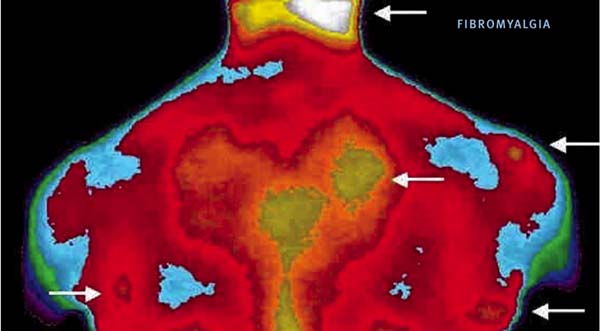
“I think there’s really been a shift, and the brain imaging is what’s doing it,” says Matallana. “We’re seeing changes in the brain in fibromyalgia, and finally the neurologists are saying, ‘You’re talking my talk. This is interesting and I don’t want to be left out.'”
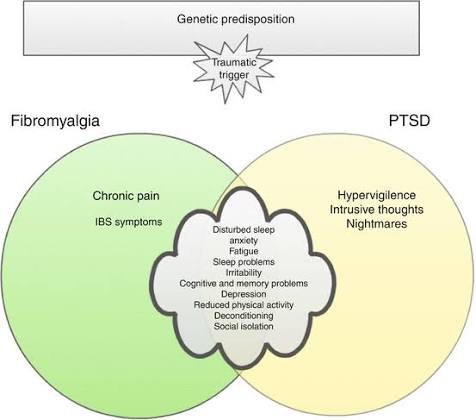
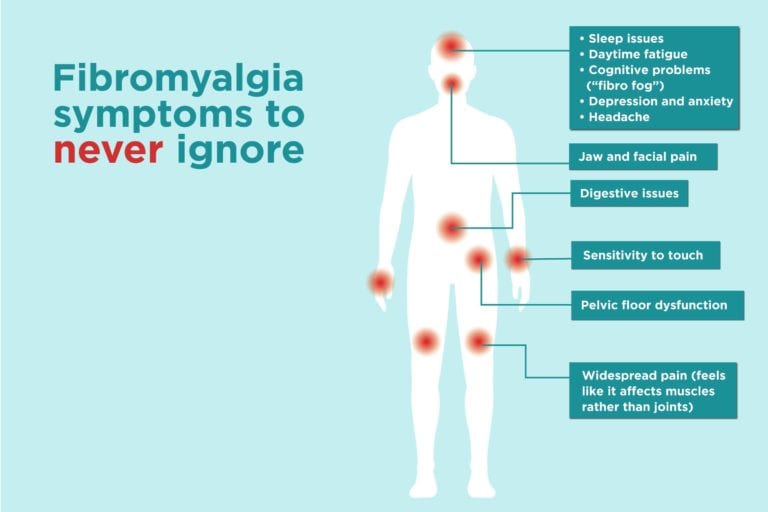
Not all neurologists are embracing fibromyalgia, however. “It’s a difficult condition to take care of. The patients have chronic pain, they call a lot, and they tend to have a lot of comorbidities,” says Dr. Kissel. Comorbidities are other conditions that exist alongside the main disorder—with fibromyalgia they often include depression, anxiety, headache, irritable bowel syndrome, chronic fatigue syndrome, lupus, and rheumatoid arthritis. “They’re very much like chronic headache patients in this regard.”
Matallana agrees that the interest in fibromyalgia among neurologists at this point is largely among researchers, pain specialists, and those at academic centers. “I don’t think it’s trickled down to the average neurologist in practice yet,” she says. “But that may change soon.”
Options for Treatment
But Dr. Backonja argues that neurologists, especially those who specialize in pain, have a responsibility to take fibromyalgia on. “It would be scary and sad for our profession if mounting scientific information were ignored,” he says. “There’s a growing body of information clearly pointing to this as a neurological disorder, and while we can’t cure it, there is a pretty reasonable way to apply treatment strategies.”
There are now three medications approved by the Food and Drug Administration (FDA) for the treatment of fibromyalgia. In addition to pregabalin, which was the first to gain approval, duloxetine and milnacipran can also be prescribed for fibromyalgia. Duloxetine is also approved for the treatment of depression, anxiety, and painful diabetic neuropathy; and milnacipran for the treatment of depression. Doctors may also prescribe low doses of antidepressants to boost serotonin levels, helping to improve sleep and relieve pain.
In addition to medication, the patient needs to be engaged in figuring out how to help him- or herself,” says Dr. Farrar. “This can include physical therapy, rehabilitative exercise, yoga, self-hypnosis, biofeedback—things that allow the brain to be retrained to help deal with the pain. None of these are right for everybody, of course. For example, some people prefer exercise therapy to yoga.”
How successful are these treatments? For people initially diagnosed with fibromyalgia, Dr. Farrar says that the chances of neurologists being able to help make them at least somewhat better or manage their pain are high—about 75-to 90-percent. “By the time someone comes to see a specialist, they have probably had some of the simpler therapies, so the likelihood may have gone down a bit. But we’re always able to help people in some way. We work with the patient to focus on what works and what doesn’t, helping them to manage their discomfort and disability.”
More options are on the horizon, as scientists learn more about pain and the nervous system in general and fibromyalgia in particular. “We’re learning a lot more about nerve-related pain, and although there aren’t any obvious pathways that are focused on fibromyalgia, there are still some new agents that I think will allow us to begin to treat patients for underlying abnormalities,” says Dr. Farrar.
He predicts that the prospects for at least two or three additional therapies for fibromyalgia over the next 10 years are very good. “That said, people shouldn’t set their expectations too high,” he says. “I doubt we’ll be able to get to the point where there is zero pain, but we can make it like arthritis—the pain is there, but people are functional and can do the things they need to do.”