Can fibromyalgia cause hair loss?
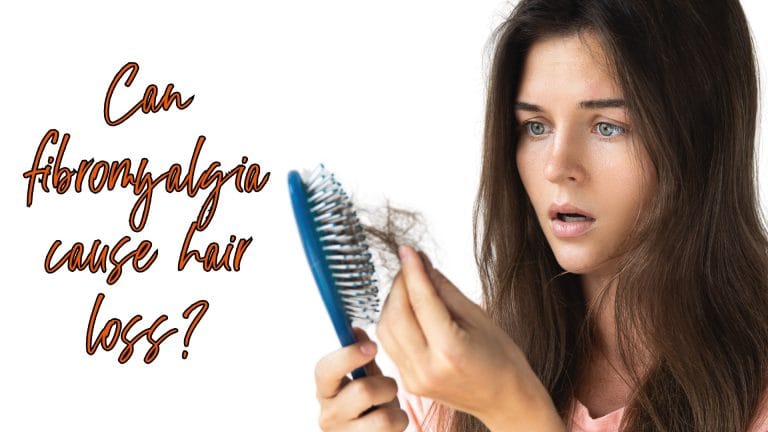
Fibromyalgia is known for causing chronic pain, fatigue, and cognitive impairment. But have you ever noticed your hair thinning too? If you’re dealing with excessive hair loss along with fibromyalgia, you may probably wonder: is fibromyalgia to blame, or is something else going on in your body? Let’s break it down in this blog and get to the root of it!
ANF Therapy offers a new approach to treating fibromyalgia. It uses small ANF Devices that are applied to specific areas of the body, aiming to support the nervous system and improve overall function. Unlike conventional treatments that only manage symptoms, ANF Therapy is designed to address the root cause, helping the body restore the balance naturally.
The science behind fibromyalgia and hair loss:
Fibromyalgia does not directly cause hair loss. Several factors associated with fibromyalgia can contribute to hair thinning or loss. The factors include the following:
1. Chronic Stress and Hormonal Imbalance
Fibromyalgia is a painful condition that worsens with time and causes persistent pain, unexplained fatigue, insomnia, and cognitive issues. Because of this, the body is constantly under stress. This can lead to telogen effluvium, a clinical condition in which the hair follicles enter the resting phase too soon, resulting in excessive hair shedding.
Moreover, ongoing stress also affects hormone levels, particularly cortisol (the stress hormone) responsible for hair thinning.
2. Nutritional Deficiencies
Fibromyalgia affects muscles, nerves, and gut health. This leads to poor nutrient absorption, resulting in iron, calcium, vitamin D, and magnesium deficiency, which are essential for hair growth. Without these essential nutrients, hair becomes thinner and more prone to shedding.
3. Poor Circulation and Oxygenation to the scalp:
Fibromyalgia also affects the blood supply to the different parts of your body. This causes reduced blood flow to the extremities, including the scalp. Due to poor blood supply, your hair follicles may not receive adequate nutrients and oxygen supply, resulting in decreased hair growth and increased hair loss over time.
4. Medications and Side Effects
Traditional medications such as painkillers, supplements, antidepressants, and anticonvulsants can cause hair loss. If you are experiencing hearing loss after starting the medication, stop it right there and consult with your nearby ANF Therapists to get drug-free therapy for your fibromyalgia.
5. Autoimmune and Thyroid Dysfunction
More often, fibromyalgia also overlaps with certain autoimmune disorders like Hashimoto thyroiditis or lupus erythematosus; both disorders contribute to excessive hair loss
How to Manage Hair Loss with Fibromyalgia with ANF Therapy
There are several ways to manage fibromyalgia, but they have side effects too. Dr. Mikel H-G Hoff has invented ANF Therapy, which is a non-invasive and drug-free approach to managing fibromyalgia. This therapy not only treats symptoms like other medicines and supplements do but is designed to treat the underlying cause. It is meant to provide fast and long-lasting results.
This therapy utilises small ANF Devices that are applied to certain areas of your body. These devices include:
- Anti-inflammatory devices that aim to reduce inflammation in your body
- Antioxidant devices are designed to neutralise free radicals and reduce stress in your body, which is the main factor contributing to hair loss
- Mental calm (MC) Device is meant to maintain your sleep cycle and improve your cognitive functions.
- Blood flow and nitric oxide devices are applied to surround the affected areas, which aim to improve blood circulation and oxygenation in your skull and promote the growth of hair follicles.
-
Other ways to manage fibromyalgia-associated hair loss:
There are other ways to manage fibromyalgia-related hair loss, but they often take time to work and provide only short-term relief. These include:
Reduce Stress:
Stress is the main factor that boosts cortisol levels in the body. Incorporating relaxation techniques like yoga, meditation, and deep breathing can lower stress and cortisol levels and help your hair grow.
Healthy diet:
Incorporate a healthy diet containing sufficient nutrients such as iron, vitamins and fatty acids.
Improve Scalp Circulation:
Scalp massages, mild exercise, and specific natural topical treatments like rosemary oil can help boost blood flow to hair follicles. ANF blood flow and nitric oxide devices also aim to improve blood circulation in the affected without any medication and side effects and have fast results.
-
Outcomes of ANF Therapy
According to Dr. Mikel H-G Hoff, most patients experience swift relief from fibromyalgia symptoms soon after the application of ANF Devices. They also observe reduced hair loss. However, the outcomes vary from person to person depending on the severity of the condition and patient compliance.