The link between PTSD and fibromyalgia
Many studies have found a strong association between PTSD and fibromyalgia. People with PTSD are significantly more likely to develop fibromyalgia or other chronic pain syndromes.
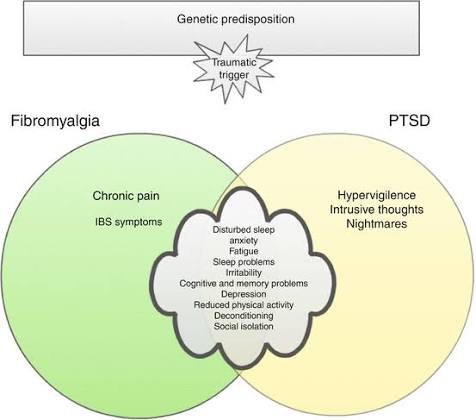
Post-traumatic stress disorder (PTSD) and fibromyalgia are two distinct conditions, but they may share similarities in how they develop and how they affect a person’s life.
PTSD is a mental health condition that can develop after experiencing or witnessing a traumatic event, such as abuse, war, serious accidents, or natural disasters. It can lead to symptoms like flashbacks, nightmares, and severe anxiety.
Fibromyalgia is a chronic condition that causes widespread musculoskeletal pain and fatigue. While experts do not fully understand the exact cause, fibromyalgia may involve abnormal pain processing in the brain and nervous system.
Understanding their connection can help with better diagnosis, treatment, and overall care.
Recent research shows a strong relationship between PTSD and fibromyalgia. Rates of PTSD symptoms in fibromyalgia patients are higher than in the general population, and traumatic events tend to intensify fibromyalgia symptoms.
This connection is likely driven by shared changes in stress response systems, pain processing, and immune signaling in the brain and body.
For example, a retrospective study of 1,516 fibromyalgia patients in United States healthcare centers found that 8.6% had documented PTSD, along with high rates of anxiety (61%) and depression (40%), especially in younger adults.
Another study looked at large-scale associations between PTSD and fibromyalgia in military populations. Among US military personnel with PTSD, the incidence of fibromyalgia was significantly higherTrusted Source than in non-PTSD control groups.
A Turkish study on patients affected by the earthquakes showed that trauma-related stress significantly increased fibromyalgia severity, and symptom levels correlated strongly with measures of post-traumatic stress.
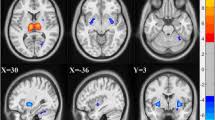
StudiesTrusted Source show that PTSD and fibromyalgia may both affect how the brain and body handle stress and pain.
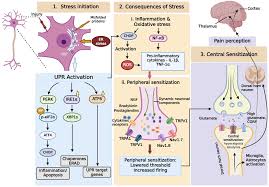
One key system involved is the HPA axis, which helps control the body’s stress hormones. When this system is not working well, the body may stay in “stress mode” too long, which can lead to problems with sleep, mood, and pain.
People with these conditions may also have a sensitive nervous system, meaning their brain reacts strongly to pain signals, making normal touch or pressure feel painful. This is called central sensitization.
Finally, long-term stress or trauma can also confuse how the brain and immune system work together, sometimes causing inflammation that makes pain and fatigue worse.
Recognizing this overlap is crucial as it underscores the need for treatment strategies that address both trauma and chronic pain together for improved health outcomes.
Mental health resources
Visit our dedicated hub for more research-backed information and resources on mental health and well-being.
Living with both PTSD and fibromyalgia can create a complex cycle of physical and emotional symptoms that often feed into each other, making daily life more difficult. For example:
- PTSD can heighten pain: People with PTSD are in a constant state of “high alert,” which makes the nervous system more sensitive. This can amplify physical pain and lower the body’s pain threshold, meaning fibromyalgia symptoms feel worse.
- Chronic pain can worsen trauma symptoms: Constant pain and fatigue from fibromyalgia can trigger flashbacks, emotional distress, or panic attacks in people with PTSD. The stress of coping with pain can reawaken trauma.
- Fatigue and brain fog affect memory, focus, and mood: Both conditions can cause sleep problems, which can lead to exhaustion, irritability, and difficulty concentrating. This makes it harder to manage emotions, remember coping strategies, or keep up with work or social life.
- Isolation and misunderstanding: People with both conditions may feel misunderstood, either told their pain is “all in their head,” or dismissed when their trauma symptoms are not seen as “severe enough.” This can lead to social withdrawal, shame, and delays in getting the right diagnosis or treatment.
However, there are treatment methods and coping strategies for living with both PTSD and fibromyalgia.
Talkspace gives you access to licensed therapists online. Connect with them anytime, anywhere. Take an assessment to be matched
Accepts HSA/FSA
Because these conditions often overlap, a multidisciplinary approach is most effective. Treatment for PTSD may include:
- trauma-focused therapy, such as eye movement desensitization and reprocessing (EMDR) or cognitive behavioral therapy (CBT)
- medications such as antidepressants or anti-anxiety medications
- mindfulness and stress reduction techniques
Treatments for fibromyalgia may includeTrusted Source:
- pain management strategies
- exercise and gentle movement therapies
- sleep hygiene and fatigue management
- medications such as pregabalin, duloxetine, or low dose antidepressants
- CBT for coping with chronic symptoms
While there’s no single cure, a combination of physical, emotional, and social tools can help people manage both conditions and improve quality of life.
- Trauma-informed therapy.
- Work with a therapist who understands both chronic pain and trauma.
- EMDR and trauma-focused CBT can help reduce flashbacks, anxiety, and hyperarousal.
- Therapy can also help with setting boundaries, managing fear around pain, and reclaiming a sense of safety in the body.
- Gentle movement.
- Light exercise can improve pain, sleep, and mood.
- Try yoga, tai chi, water aerobics, or walking. Start slowly and listen to the body.
- Movement also helps regulate the nervous system and release tension.
- Sleep support.
- Create a calm, consistent bedtime routine.
- Use sleep aids only under medical advice.
- Managing PTSD symptoms often improves sleep, which then reduces fibromyalgia flares.
- Nervous system regulation.
- Learn ways to calm the nervous system throughout the day, such as deep breathing or grounding techniques.
- Pain management.
- In addition to gentle movement, some find relief from heat packs or baths, massage therapy, and over-the-counter (OTC) pain medication.
- Social and emotional support.
- Seek out support groups, online or in person, for people with chronic pain or PTSD.
- Let loved ones know what helps and what does not, and ask for help when needed.
- Pacing and self-compassion.
- Allow time for rest and do not overexert on good days.