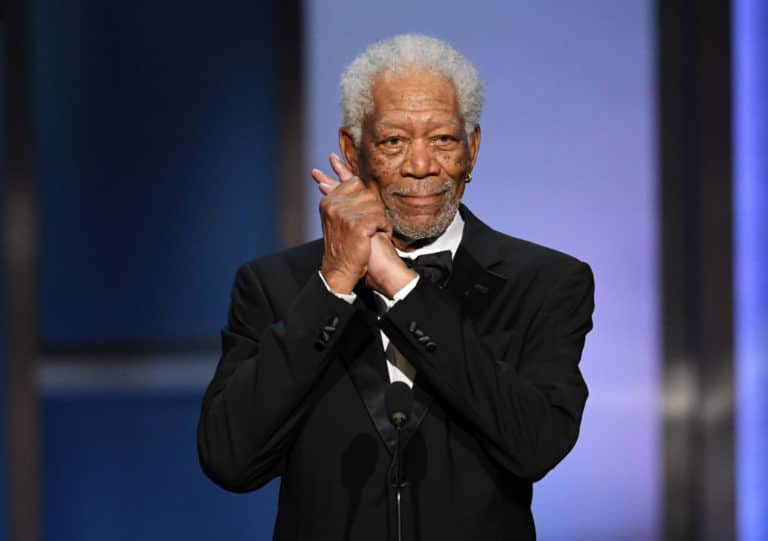
Morgan Freeman: Giving A Voice To Fibromyalgia
Freeman made his acting debut at age nine, playing the lead role in a school play. He then attended Broad Street High School, a building that serves today as Threadgill Elementary School, in Greenwood, Mississippi. At age 12, he won a statewide drama competition, and while still at Broad Street High School, he performed in a radio show based in Nashville, Tennessee. In 1955, he graduated from Broad Street, but turned down a partial drama scholarship from Jackson State University, opting instead to enlist in the United States Air Force and served as an Automatic Tracking Radar Repairman, rising to the rank of Airman 1st Class.
After four years in the military, he moved to Los Angeles, California, where he took acting lessons at the Pasadena Playhouse and dancing lessons in San Francisco in the early 1960s.
MUST READ: “Martin” Actor Carl Anthony Payne Uses Pain As Medication
But his voice was nearly silenced from a car accident in 2008, where the car he was driving flipped and rolled, left Freeman and a friend to be pulled from the car using the Jaws of Life. Despite surgery to repair nerve damage, he was stuck with a useless left hand. It is stiffly gripped by a compression glove most of the time to ensure that blood doesn’t pool there. It is a clamp, his pain, an icy shot up a relatively useless limb. He doesn’t show it often, but there are times when he cannot help but lose himself to a world-ending grimace. It’s such a large gesture, so outside the general demeanor of the man, that it feels as if he’s acting.
It’s the fibromyalgia,” he says when asked. “Up and down the arm. That’s where it gets so bad. Excruciating.”
This means Morgan Freeman can no longer support his hobbies including sailing or flying planes. There was a time when he would sail by himself to the Caribbean for two to three weeks at a time. “It was complete isolation,” he says. “It was the best way for me to find quiet, how I found time to read.” No more. He can’t trust himself on one arm. He can’t rarely drive now. Depending on the severity of fibromyalbia, it can totally stop you from doing the most simple of tasks.
Top 10 Symptoms of Fibromyalgia
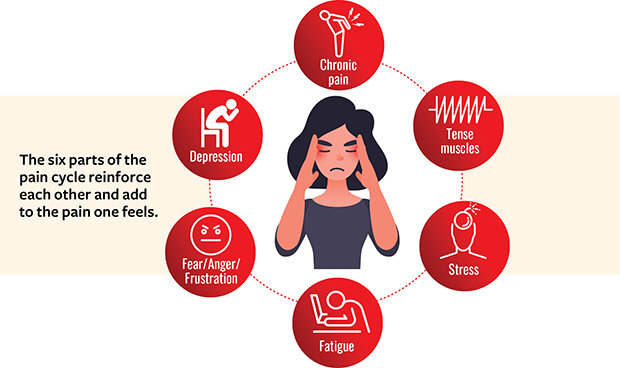
- Pain all over
- Fatigue
- Sleep difficulties
- Brain fog
- Morning stiffness
- Muscle knots, cramping, weakness
- Digestive disorders
- Headaches/migraines
- Balance problems
- Itchy/burning skin
-
Natural Remedies for Fibromyalgia
-
- Standard treatments for fibromyalgia include painkillers, antidepressants, and anti-seizure drugs. These can help reduce symptoms like pain, fatigue, and insomnia. But those who are looking for long-term natural remedies, can try these 4 options: Yoga – Several studies show that a regular yoga practice may help ease the symptoms of fibromyalgia.
- Acupuncture – A 2013 research study concluded that acupuncture may improve pain and stiffness brought on by fibromyalgia.
- Manual Lymph Node Surgery – A type of massage called manual lymph drainage therapy (MLDT) helps move lymph fluid through the body. The lymph system helps rid the body of waste and toxins, but relies on muscle movement to remain efficient. Rhythmic movements can help stimulate blood flow, potentially loosening up lymph blockages that may be causing pain.
- Tai Chi – Tai chi is an ancient Chinese physical practice that involves moving the body slowly and gently. It has shown some potential in helping to ease fibromyalgia symptoms.
- Morgan Freeman is a respected American actor and narrator who has openly discussed living with fibromyalgia. His experience has helped bring greater public attention to a condition that is often misunderstood because many of its symptoms are invisible.
- Fibromyalgia can involve widespread pain, fatigue, sleep difficulties, and problems with concentration, and its effects can vary greatly from person to person. By speaking publicly about his own experience, Freeman has helped show that chronic pain can affect people from all walks of life, including successful and highly active individuals. His openness can encourage others with fibromyalgia to feel less alone and more comfortable discussing their experiences with family, friends, and healthcare professionals.
- Giving a voice to fibromyalgia is important because awareness can reduce misunderstanding and stigma. Many people with chronic pain may look healthy on the outside while dealing with significant symptoms internally. Freeman’s public story has therefore become part of a broader conversation about listening to people with chronic illnesses and taking their experiences seriously. His journey also highlights the importance of finding appropriate medical care, managing symptoms, maintaining supportive relationships, and making realistic adjustments in daily life. Fibromyalgia does not affect everyone in the same way, so treatment and coping strategies should be individualized with guidance from qualified healthcare professionals.
- Public figures who discuss chronic conditions can help start conversations that might otherwise remain private.
- Morgan Freeman’s openness has helped many people recognize that fibromyalgia is a real and challenging condition that deserves understanding, compassion, and continued research. His story reminds us that living with chronic pain does not erase a person’s talents, achievements, or identity.
- Most importantly, raising awareness can help create a more supportive environment for people living with fibromyalgia and encourage society to listen to invisible illnesses with greater empathy.
-